
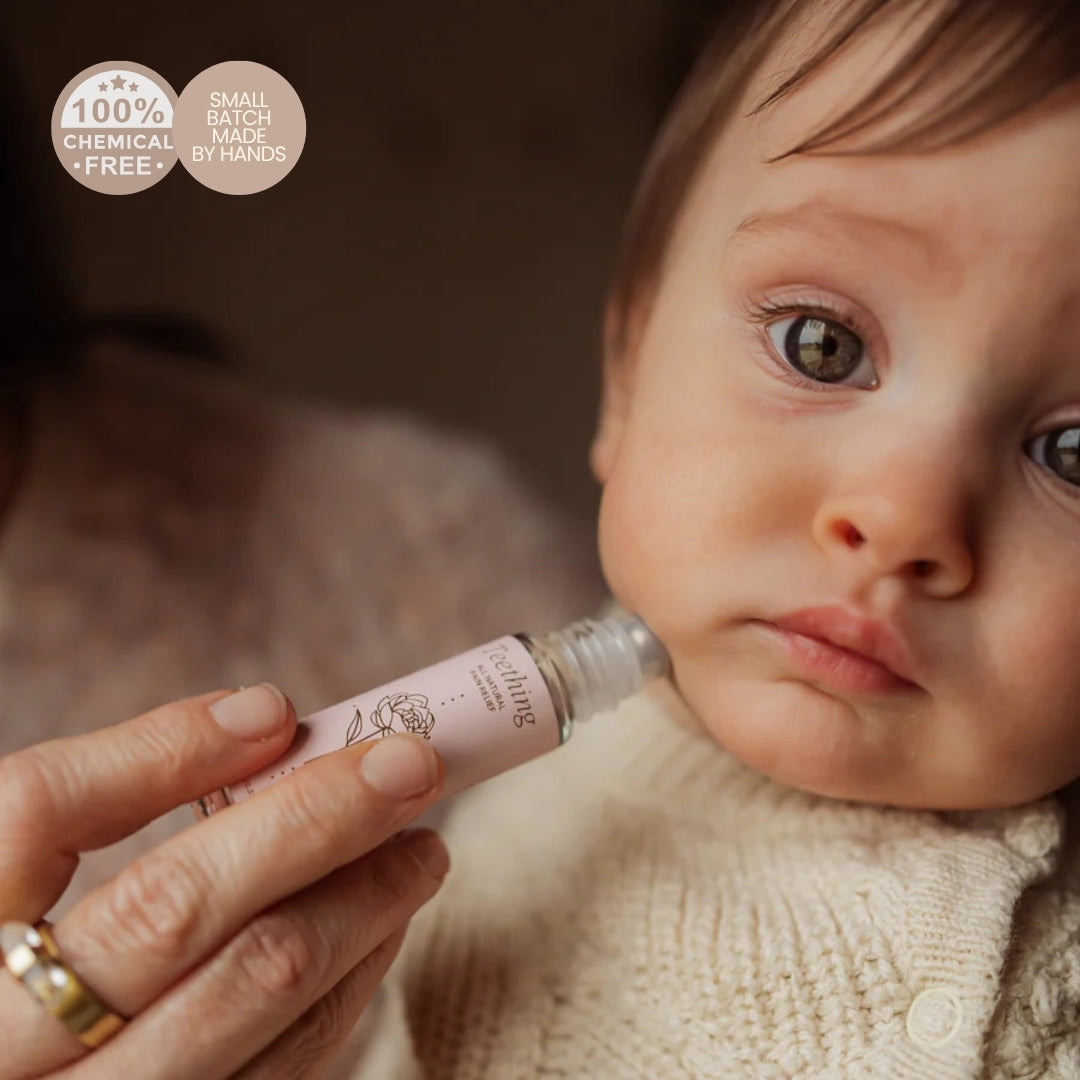



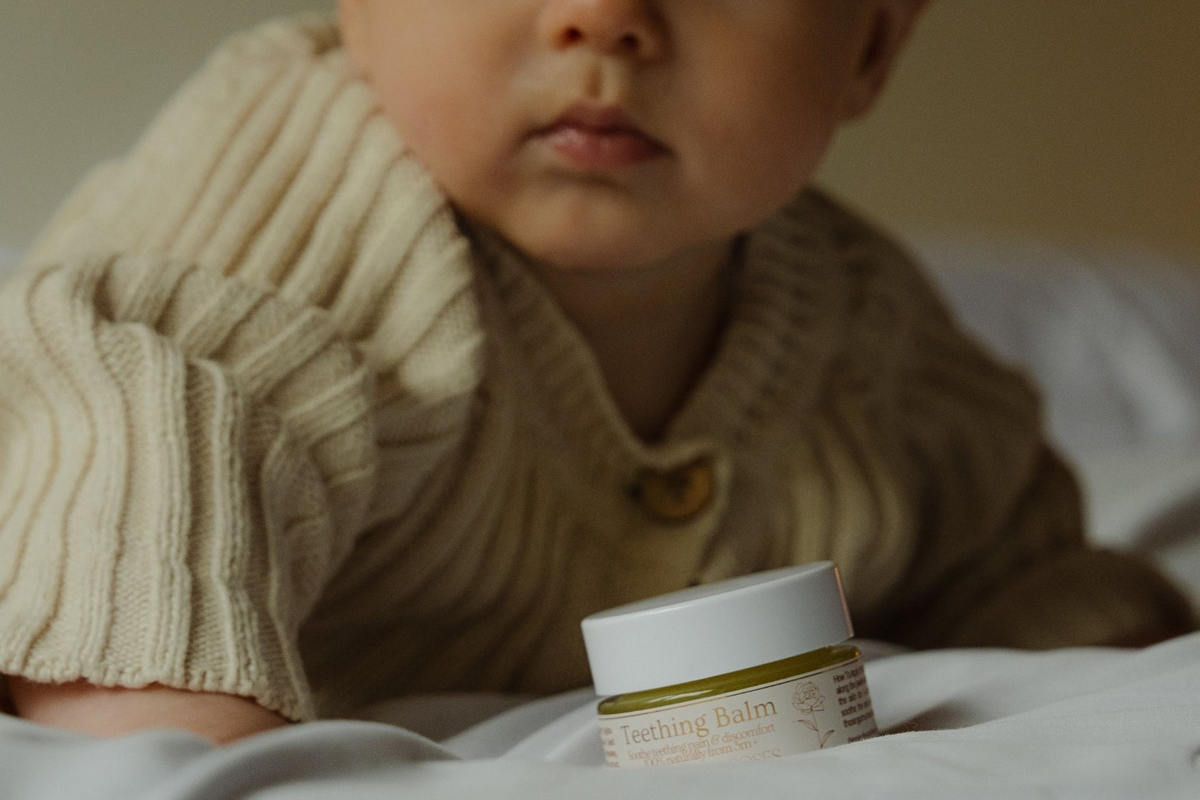





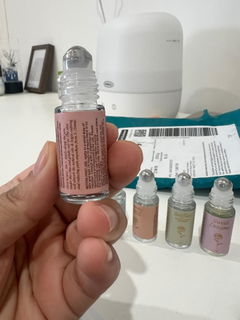
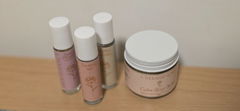
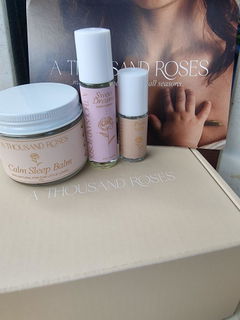
This teething roller has been a lifesaver, nothing else seems to work to help my little girl and this helps her so much


Natural Bedtime Ritual Products for Calmer, Deeper Baby Sleep
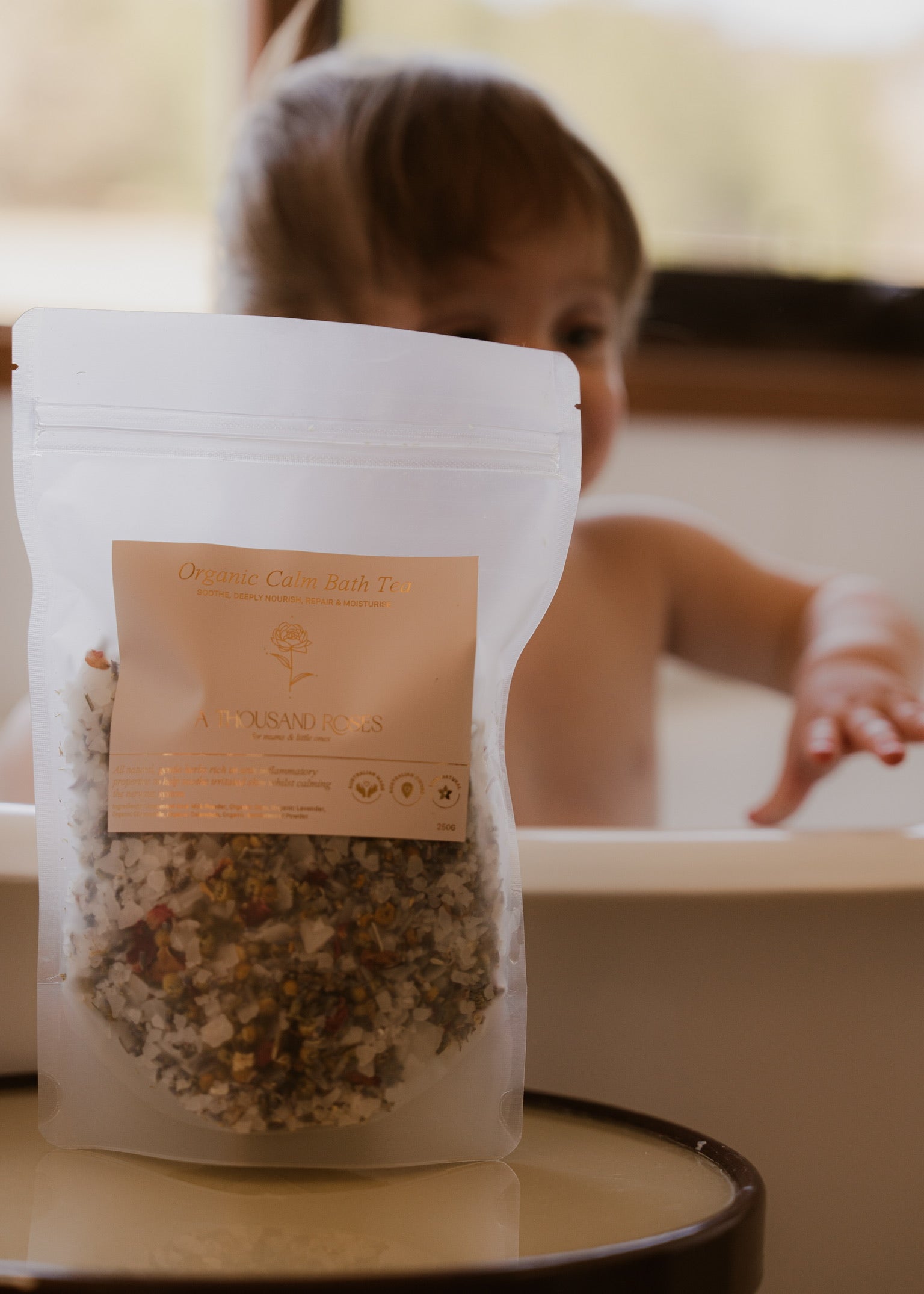
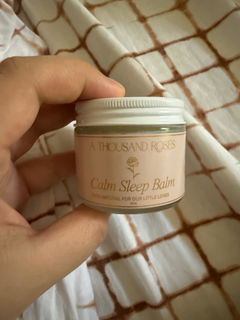
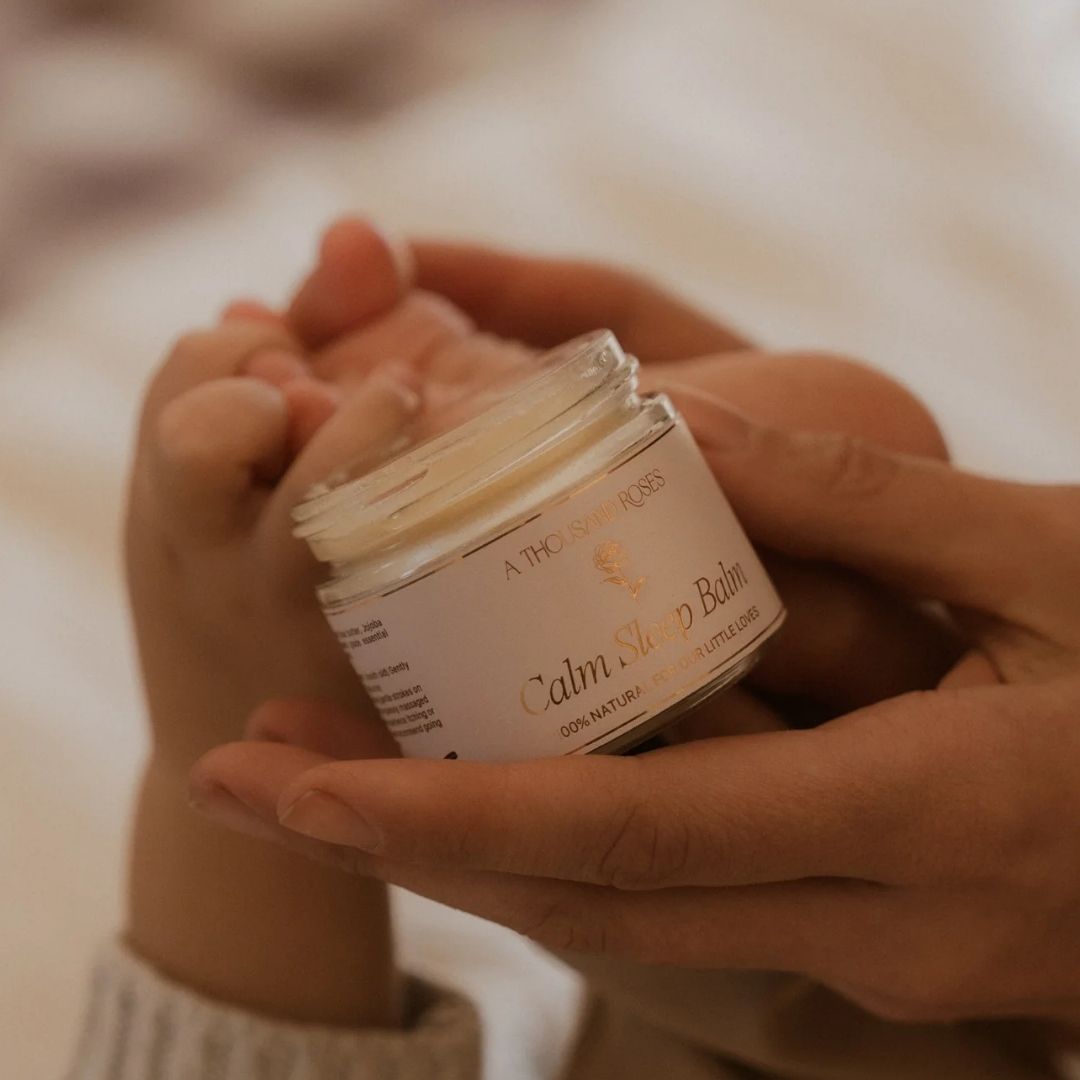
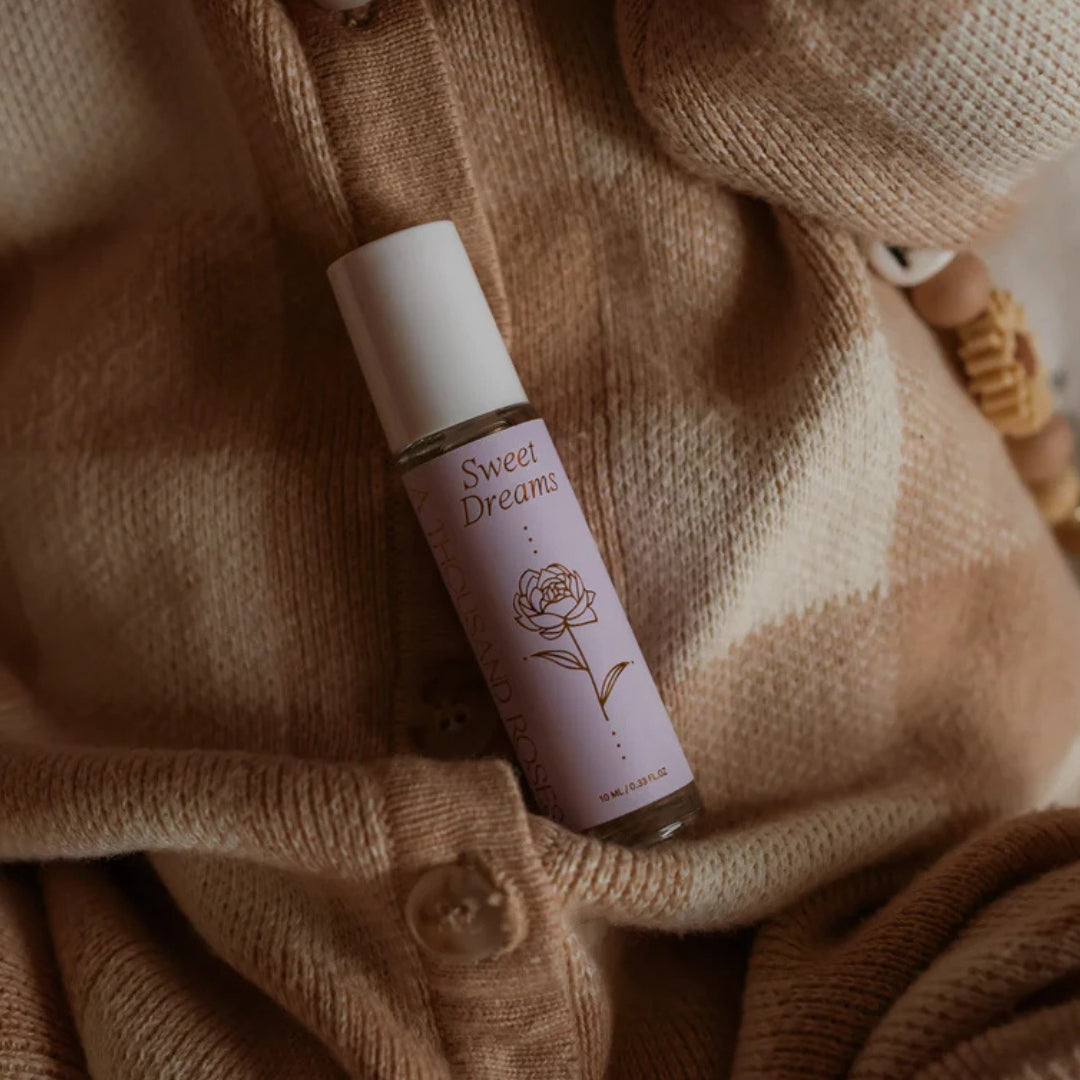
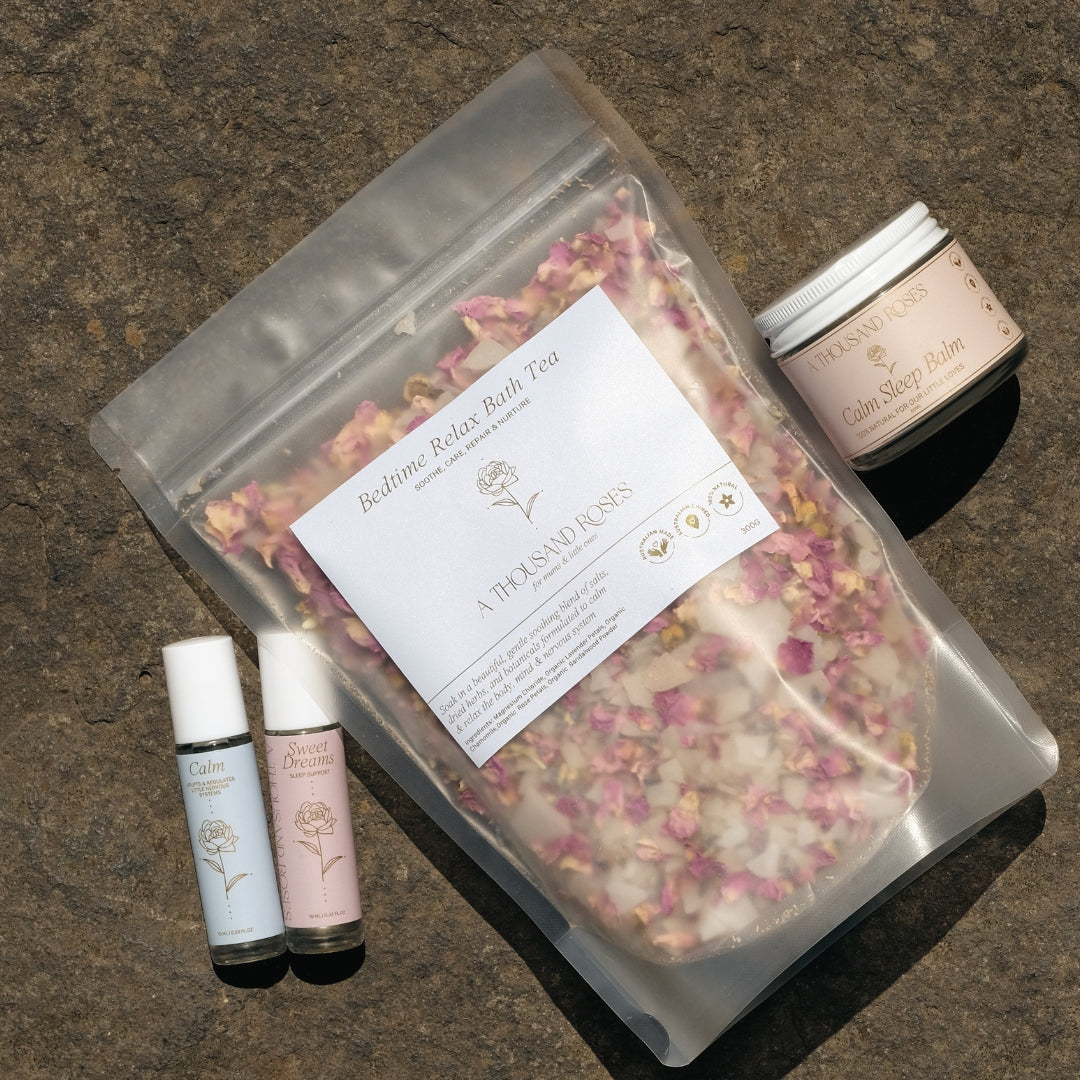
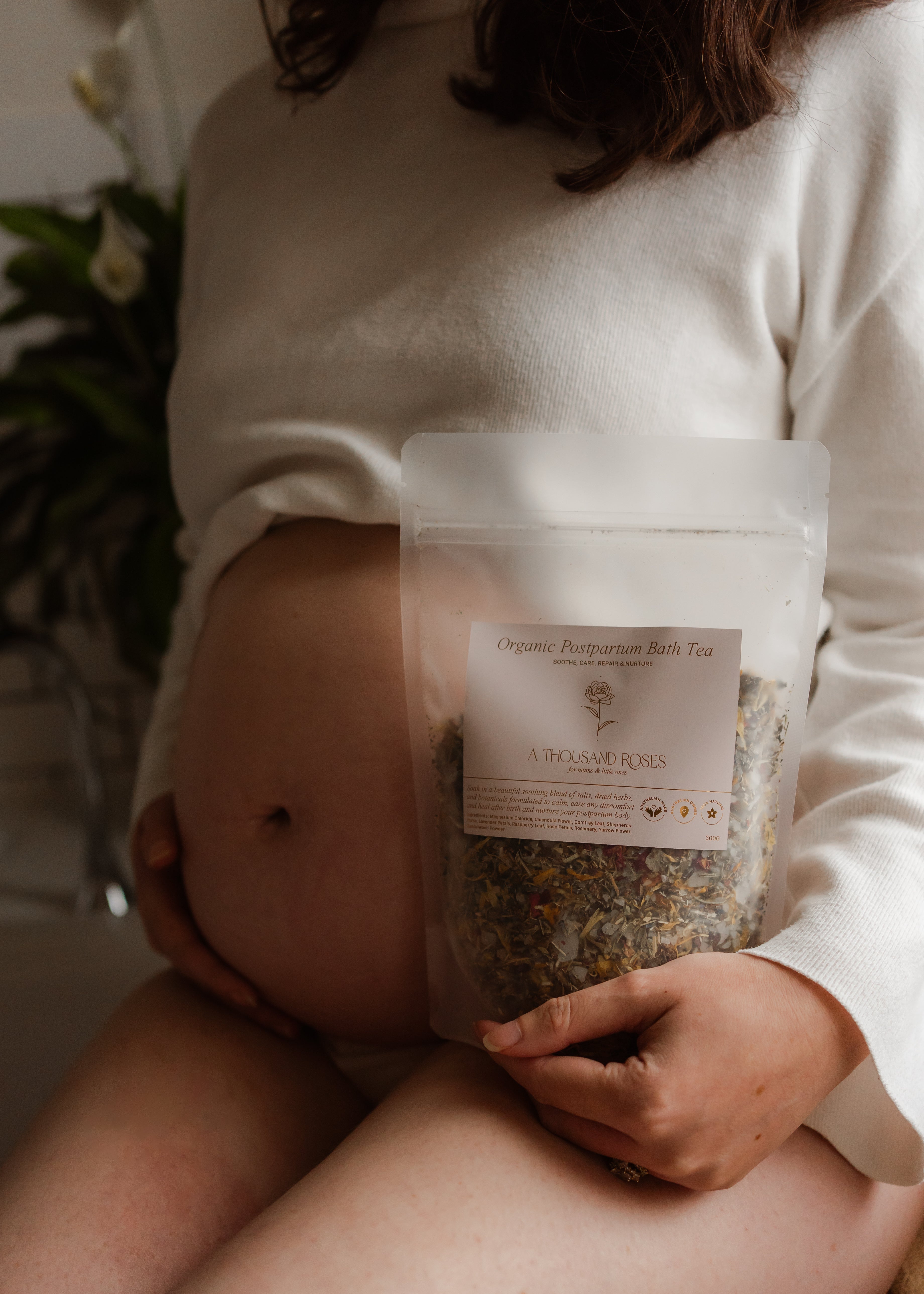
A consistent bedtime routine is one of the most well-supported ways to encourage healthy sleep in young children. That's why we created this collection to become part of those quiet connection moments at the end of the day. From a warm bath, to a soothing magnesium massage with our Calm Sleep Balm, and the comforting aroma of our Sweet Dreams Roller, each product has been thoughtfully designed to help create a calm, predictable bedtime ritual. They're not designed to make little ones sleepy. They're designed to support the moments of closeness, connection and consistency that help children feel safe, settled and ready to drift off naturally.
More info
Frequently Asked Questions
"Every product is made with care and intention, using only natural ingredients. These are the things I use for my own family, and wouldn’t offer anything less to yours."

Evelyn • founder
Education

Teething Roller vs Traditional Teething Gels: What's Safer for Your Baby?
When my daughter Mila started teething, everything changed almost overnight. She went through a significant sleep regression and I found myself awake at all hours trying to comfort her and help her...

Sniffles Roller instead of vapour rub, natural solution
Our sniffles roller began as a natural substitute for vick vapour rub. Vicks contains a variety nasty ingredients: Camphor, Petrolatum (petroleum jelly) , Turpentine oil (deritive from turpentine o...

The bedtime Roller we reached for during developmental leaps
During my daughters developmental leaps, she would be incredibly wired. We found using the Calm Sleep Balm to work well, but sometimes she needed a little more nervous system support when her body ...

Calendula Flower benefits for skin
Discover the powerful skin benefits of calendula flower. Learn how this gentle botanical soothes irritation, supports healing, and protects sensitive skin naturally.